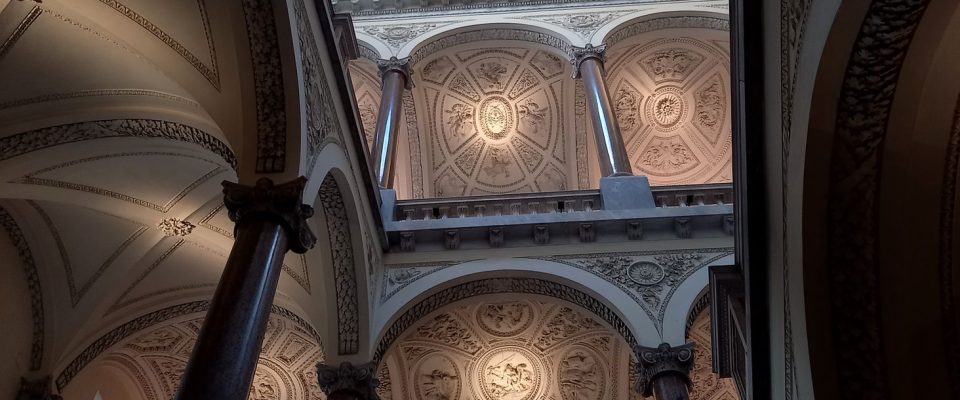
What are the best palaces to discover in Rome?
The extraordinary architectural beauty and rich history is reflected in the many palaces and historic buildings in the city.
The ornament styles are very different. Look at the classical Roman elements with imposing columns and arches. Observe the Baroque style with richly decorated facades and spectacular use of light and space. Admire the Altar of the Fatherland with its majestic staircase, Corinthian columns and statues that have made it one of the most famous in Rome.
Stroll through the wonderful rooms of Palazzo Venezia among Gothic and Renaissance elements that decorate balconies, windows and make it an example of great architectural elegance. Let yourself be captivated by the grandeur of Castel Sant’Angelo, with its magnificent cylindrical tower and massive walls.
Each building is a work of art in itself. These offer a varied overview through the centuries from ancient examples to Renaissance and Baroque buildings, such as Palazzo Braschi.
Find here below where to buy “fast track tickets”!
Sant’Angelo Castle: one of the oldest palaces to discover in Rome
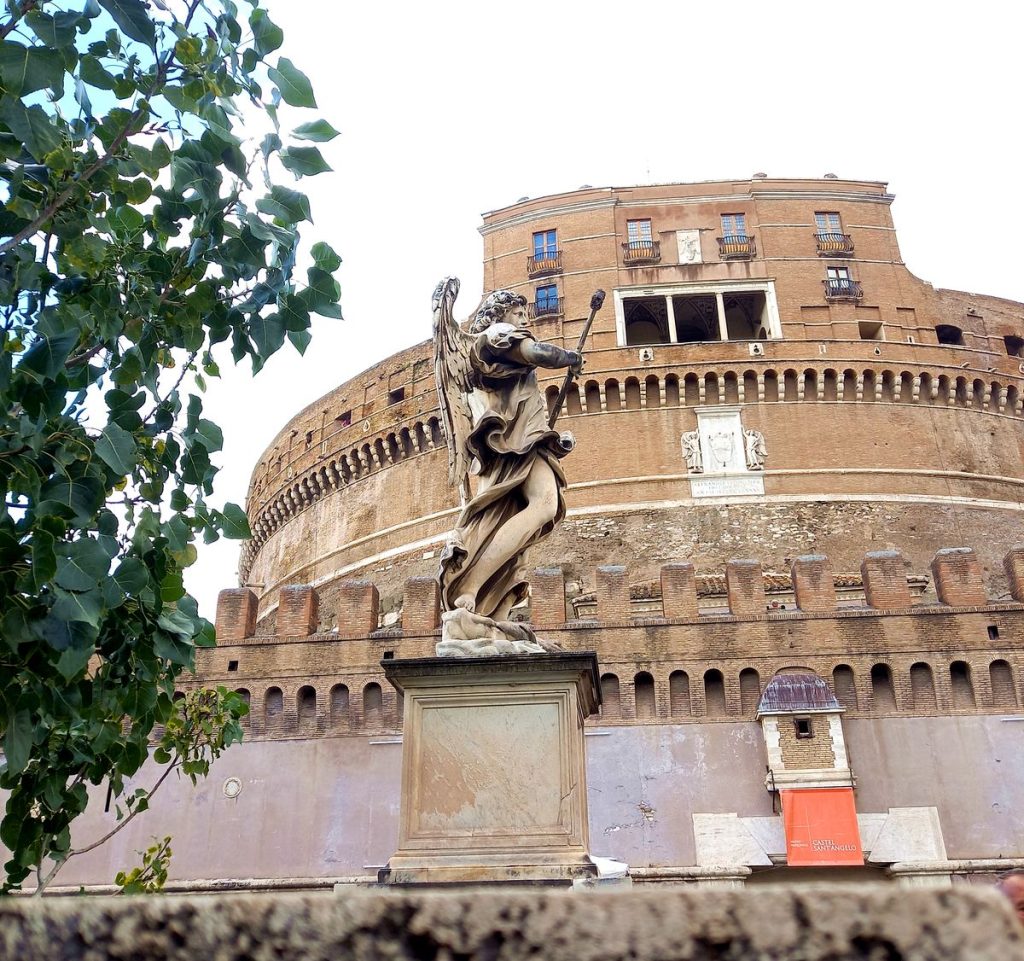
Once known as Hadrian’s Mausoleum, Sant’Angelo Castle is for sure one of the best palaces to discover in Rome. The historic building stands on the left bank of the Tiber river, near the Vatican. Emperor Hadrian ordered to build it in 123 AD. by as his personal mausoleum.
Over the centuries, it has undergone numerous transformations. In the Middle Ages, the popes took refuge in case of danger by crossing the elevated “Passetto di Borgo”.
It became a prison during the Renaissance and then a papal residence. Today it is a real museum to not miss. Every phase of its history is still visible in its structures and rooms, offering a fascinating journey through the ages of Rome.
Don’t miss the upper terrace to admire some of the most iconic views: the Tiber River and St. Peter’s Basilica.
Palazzo Venezia: a perfect example of Renaissance’s palaces in Rome
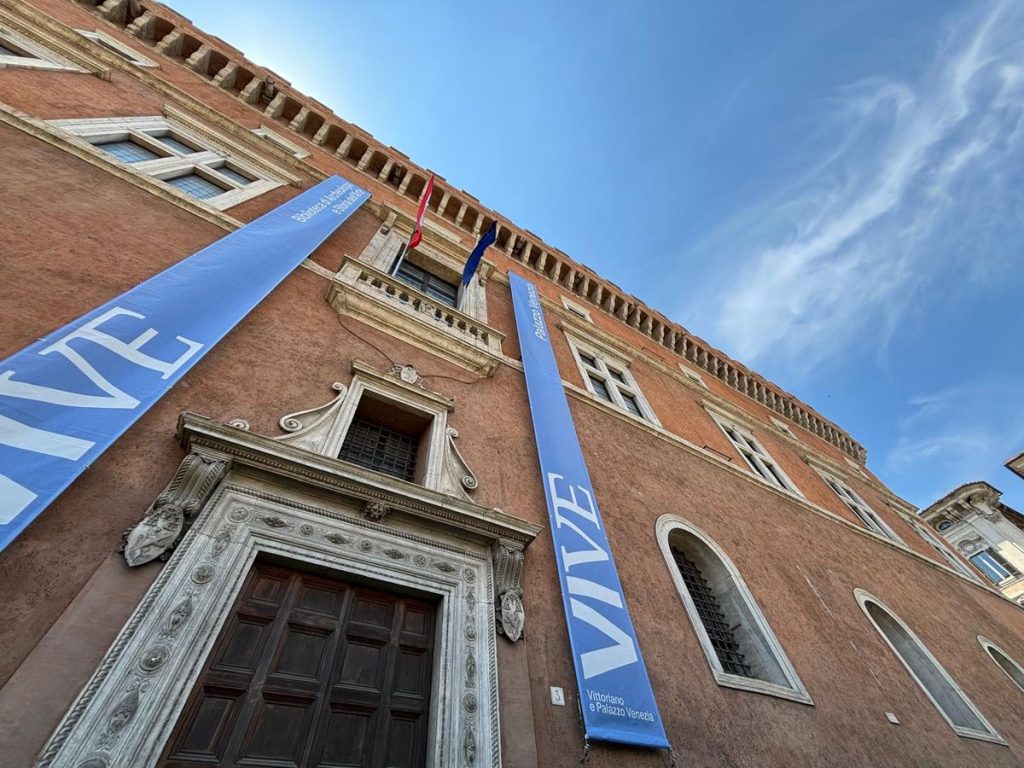
Built in the 15th century, Palazzo Venezia is one of the first Renaissance architecture palaces in Rome. The austere facade and harmonious proportions characterize the exterior. A wonderful courtyard, surrounded by an arcaded portico recalls the ancient Roman splendor as the decorative details and frescoes inside.
The name derives to the donation of the palace to the Republic of Venice in the 16th century. The building houses a museum that contains a collection of works of art, sculptures and historical artifacts. A visit to the palace also offers the opportunity to explore its wonderful frescoed rooms decorated with valuable furniture. The location is also home to cultural events, concerts and temporary exhibitions.
Palazzo Braschi: one of the palaces of Rome’s Museum
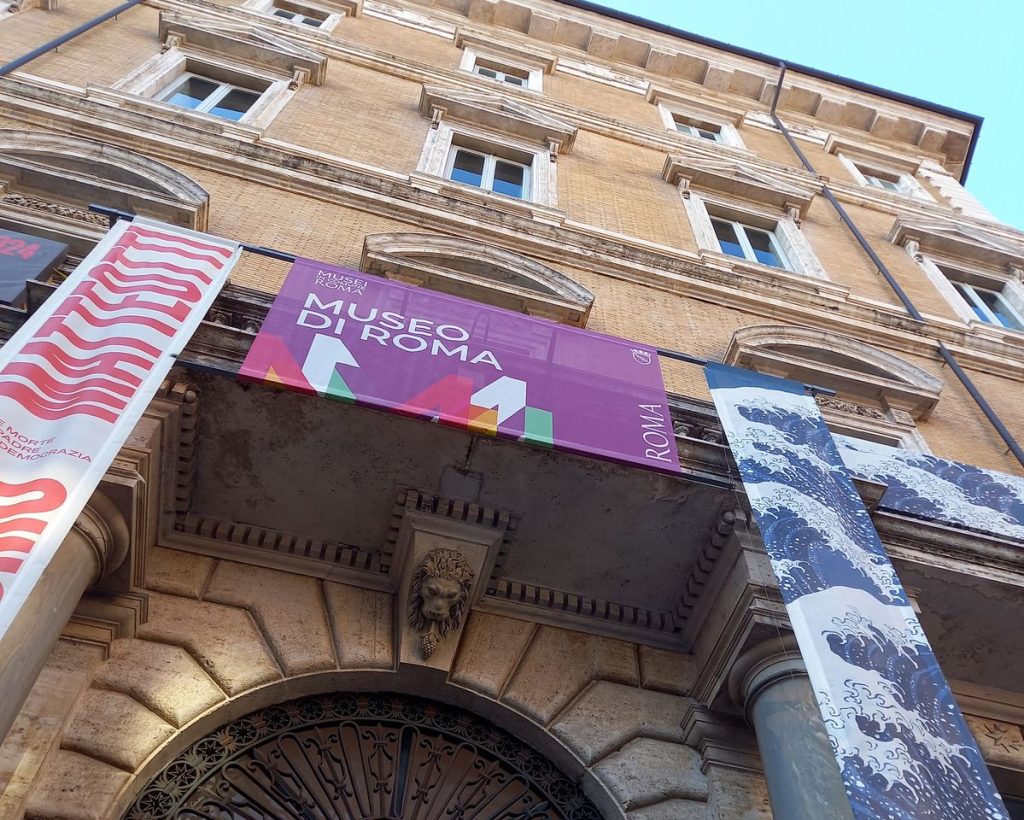
Palazzo Braschi is one of the most beautiful neoclassical palaces, located in the heart of Rome and overlooking one of the most fascinating squares, Piazza Navona. The nephew of Pope Pius VI, Luigi Braschi Onesti, ordered to build it at the end of the 18th century. An imposing and refined facade, which reflects the taste and power of the papal aristocracy of the time, characterize the building. The staircase designed by Giuseppe Valadier, is one of the most spectacular architectural elements of the palace. It is a majestic marble staircase that leads visitors through the various floors of the palace, creating a sense of grandeur and wonder.
Today it houses the Museum of Rome, a rich collection that illustrates the history, art and daily life of the city from the Middle Ages to the 20th century, which also includes vintage carriages. In addition, the building is also home to temporary exhibitions!
Altar of the Fatherland: the patriotic symbol of Rome
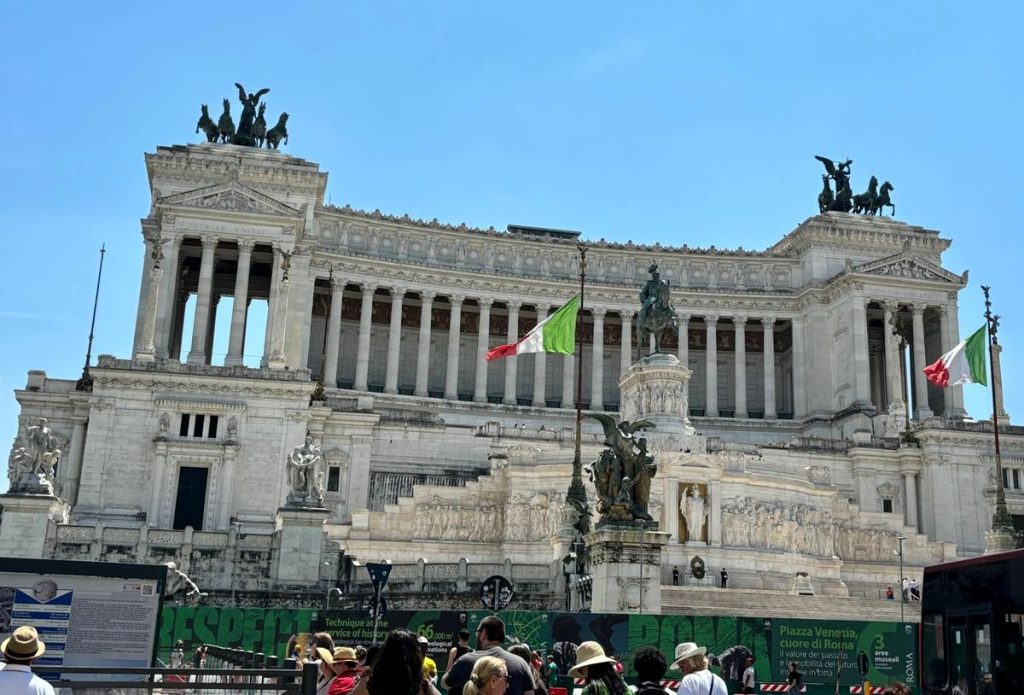
The Altar of the Fatherland is one of the most emblematic historic palaces in Rome: it combines architectural grandeur, historical richness and panoramic beauty. A symbol of freedom and unity, the monument known as the Vittoriano was built starting in 1885 in honor of King Vittorio Emanuele II, the first king of Italy. The monument stands out for its imposing size and neoclassical style. The brilliant white of the marble and the various imposing patriotic statues make it a symbol of power and grandeur.
An imposing colonnade characterizes it together with the majestic stairs that lead to a large terrace. It houses the “Tomb of the Unknown Soldier”, which represents all the Italian soldiers who fell in war without being identified.
Visit the Museum of the Risorgimento inside among relics, documents, weapons and works of art and take the panoramic elevator to enjoy one of the best view of Rome!
Discover the BEST THINGS TO DO IN ROME BY CATEGORY HERE and WHERE TO BUY SKIP THE LINE TICKETS!